
The repayment can be in fixed amounts over time or a lump sum at the end of the agreed period. Long-term debt is different from short-term debt, which businesses need to pay back within a year. As businesses expand, manually tracking long-term liabilities, or non-current liabilities, can become time-consuming and prone to errors.
How to Use Long-Term Liability Accounts in QuickBooks
- AT&T clearly defines its bank debt that’s maturing in less than one year under current liabilities.
- A. Current liabilities – A liability is considered current if it is due within 12 months after the end of the balance sheet date.
- Since both are linked so closely, they are often used in financial ratios together to determine a company’s liquidity.
- Overtime, more of the payment goes toward reducing the principalbalance rather than interest.
- Other long-term obligations might not be as well-known as loans or leases, but they are critical examples of long-term liabilities.
- When you purchase the vehicle, it becomes an asset you record on your balance sheet.
When you issue bonds, you promise to pay back the bondholders the principal amount plus interest over a specified period. Notes payable are written promises to pay a specific amount of money by a certain date. Unlike accounts payable, which are usually informal and short-term, notes payable often involve formal agreements and can be either Mental Health Billing short-term or long-term. Long-term liabilities are listed after the current liabilities on the balance sheet. This indicates how much of a corporation’s assets are financed by lenders/creditors as opposed to purchased with owners’ or stockholders’ funds.

Understanding Form 990: Transparency and Accountability for Nonprofits
- A 15-year mortgage is a long-term liability, but payments due this year are current liabilities.
- The importance of this ratio is that it measures the ability of a business to pay its debts at any point in time.
- You don’t need an accounting degree to do your bookkeeping in QuickBooks.
- Evaluate the terms of your long-term loans and bonds so the repayment schedule aligns with your business’s revenue cycles and long-term plans.
- A company may choose to finance its operations with long-term debt if it believes that it will be able to generate enough cash flow to make the required payments.
Examples of long-term liabilities are mortgages, bonds payable, and vehicle loans. Short-term notes payable might include a promissory note for a loan from a bank with a repayment period of less than one year. Long-term notes payable generally involve a more extended loan or financing arrangement. These are recorded as liabilities on your balance sheet and can be useful for larger, planned expenses like equipment purchases or business expansion. Accounting for long-term liabilities requires companies to accurately recognize, measure, and classify obligations such as bonds payable, lease liabilities, pensions, deferred taxes, and more. Proper reporting of these items enhances financial statement transparency and helps stakeholders assess a company’s solvency and financial health.
Other Long-term Obligations
Since the machinery and equipment will not last forever, their cost is depreciated on the financial statements over their useful lives. Any liability that’s not near-term falls under non-current liabilities that are expected to be paid in 12 months or more. Long-term debt is also known as bonds payable and it’s usually the largest liability and at the top of the list. Long-term loans are crucial for businesses looking to finance large projects or acquisitions. These loans usually have terms longer than one year and often come from banks or financial institutions. An example includes a five-year long term liabilities list loan of $500,000 taken out to purchase new equipment.

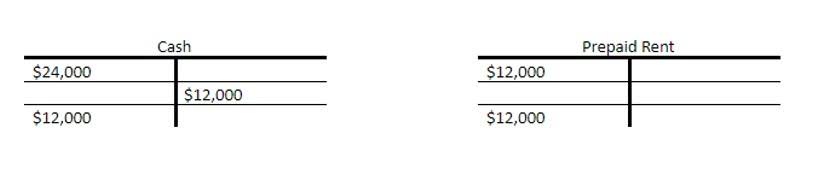
Cash is an account that stores all transactions that involve cash receipts and cash payments. All cash receipts are recorded as increases in “Cash” and all payments are recorded as deductions in the same account. When you purchase the vehicle, it becomes an asset you record on your balance sheet. There is some overlap between assets and liabilities because you can use a liability to purchase an asset. To fully understand the difference between assets and liabilities, take a look at some asset vs. liability examples.
Accounting for specific transactions
Payments for the lease increase expenses for the business but do not provide an item of value to the business’s bookkeeping. On the other hand, the mortgage for the property is a liability in your books. Typically, short-term liabilities are known as current liabilities. It’s worth noting that liabilities are going to vary from industry to industry and business to business. For example, larger businesses are most likely to incur more debts compared to smaller businesses. And if you have more debt, then you’re going to have higher liabilities.
Inventory

For example, the unearned revenue salary to be paid to employees for services in the next fiscal year is not yet due since the services have not yet been incurred. Like liabilities, businesses can have current and fixed assets (aka noncurrent assets). A current asset is a short-term asset, while noncurrent assets are long-term.

Notice that for The Home Depot, accounts payable is the most significant current liability on the balance sheet. Long-term liabilities, also known as non-current liabilities, are financial obligations that aren’t due within the next 12 months. Companies often take on long-term debt to fund big projects like purchasing equipment, investing in new technology, or expanding operations. It’s like taking out a mortgage to buy a house—you’ll be paying it off for a while, but it’s meant to add value over time. A current liability is a debt or obligation duewithin a company’s standard operating period, typically a year,although there are exceptions that are longer or shorter than ayear. Basically, these are any debts or obligations you have that need to get paid within a year.